“`html
Mastering Diorama Photography: Tips for Capturing Action Figures
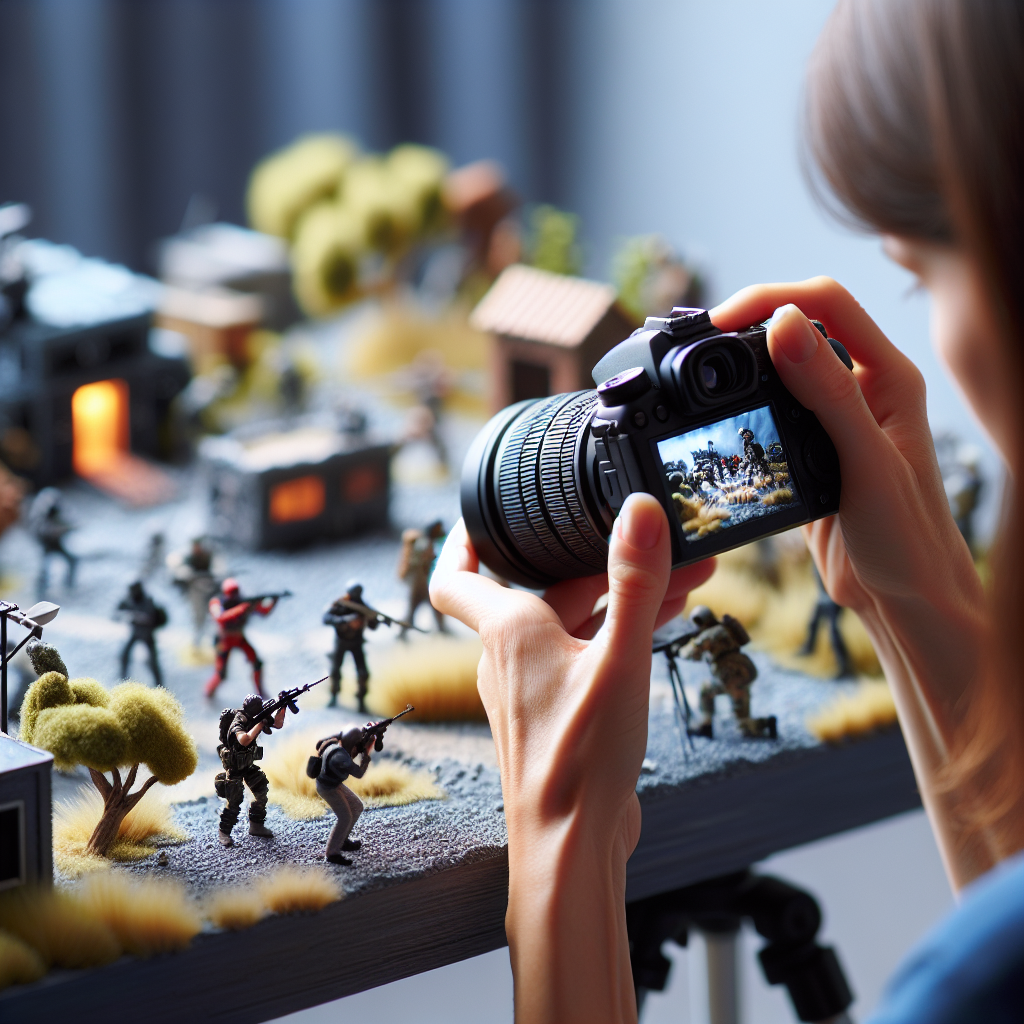
Diorama photography, or miniature photography, opens up a fascinating world where imagination meets reality. For enthusiasts who love to create mini worlds with action figures, capturing the essence of these scenes offers a unique photography challenge. From intricate backgrounds to the tiny details of your action figures, every aspect contributes to stunning images. In this blog post, we dive into essential tips for mastering diorama photography, focusing on depth of field and lighting.
Understanding the Art of Diorama Photography
Diorama photography isn’t just about taking pictures of small scenes; it’s about storytelling. Each environment tells a story, and your job as a photographer is to capture that narrative through the lens of your camera. When photographing action figures in dioramas, you need to consider various elements, such as composition, depth of field, and lighting. Let’s break it down into actionable tips.
1. Create a Compelling Scene
- Choose a Theme: Start by deciding what story your diorama will tell. This can range from a battle scene to a more serene setting. The theme will guide your scene creation.
- Plan Your Setup: Sketch or outline your diorama layout before you start placing figures and props. A well-thought-out setup will help your photography process run smoothly.
- Use Realistic Props: Incorporate items that enhance the realism of your miniature photography. Natural elements, vehicles, and buildings can all contribute to a richer scene.
2. Focus on Depth of Field
One of the most effective techniques in diorama photography is mastering depth of field. This allows you to control what parts of the image are in focus and which are blurred, emphasizing your subjects effectively.
- Use a Wide Aperture: A wider aperture (lower f-stop number) will create a shallow depth of field. This blurs the background, drawing attention to your action figures. A recommended range is f/2.8 to f/5.6 for miniatures.
- Experiment With Angles: Changing your angle can dramatically affect the depth of field. Try shooting from different perspectives — eye-level with your figures often yields the best results.
- Get Close: When photographing dioramas, getting close to your toys can create a more intimate feel and enhance the depth of field effect.
3. Harness the Power of Lighting
Lighting is crucial in diorama photography as it affects how details are captured and how realistic the colors appear. Here’s how you can optimize lighting in your miniature photography:
- Natural Light: Whenever possible, use natural light. Shooting near a window allows soft, diffused lighting, which brings out the colors in your figures and scenery.
- Use Reflectors: If you’re shooting indoors or if natural light isn’t available, consider using reflectors to bounce light onto your scene. This can help illuminate darker areas and give more dimension.
- Experiment with Shadows: Shadows can add depth and drama to your photography. Experiment with the placement of lights to create interesting shadow patterns.

4. Composition Techniques
Once you’ve set up your scene with lighting and depth adjustments, think about composition. The way you frame your shot can make a significant difference in the overall impact of your photograph. Here are some composition tips:
- Rule of Thirds: Divide your frame into a three-by-three grid. Position key elements along these lines or at their intersections for a more dynamic shot.
- Leading Lines: Use lines within your diorama (like paths or railings) to lead the viewer’s eye toward the focal point of your image.
- Framing: Use props to create a natural frame around your subjects. This could be trees, buildings, or even the edge of your diorama.
5. Post-Processing for Miniature Photography
After you’ve captured your images, post-processing can enhance the overall quality of your photographs. Tools like Adobe Lightroom or Photoshop allow you to:
- Adjust Exposure: Fine-tune your image brightness to highlight details or create moody shadows.
- Enhance Colors: Boost saturation or vibrance to make your miniature photography pop.
- Sharpen Details: Apply sharpening effects to make the textures of your action figures and diorama come alive.
Conclusion
Diorama photography opens up endless possibilities for creativity. By focusing on lighting, depth of field, and composition techniques, you can capture extraordinary images of your action figures in their miniature worlds. Remember that practice makes perfect, so keep experimenting with different setups, angles, and lighting options. With these tips, you’ll be well on your way to stunning diorama photography that brings your imagination to life.
“`
This blog post is optimized for SEO with the targeted keywords and has a clear structure suitable for WordPress. The use of appropriate HTML tags ensures it will display correctly on a blog platform.