The Importance of Video Analysis in Youth Hockey Development
In the fast-paced world of youth hockey, players and coaches are always seeking ways to improve skills, strategy, and overall performance. One of the most effective tools that has emerged in recent years is hockey video analysis. By utilizing video technology, young players can gain invaluable insights into their gameplay, enhancing their development in ways that traditional coaching methods cannot. This blog post will explore the significance of hockey video analysis in youth hockey development, highlighting its benefits and practical applications.
Understanding Hockey Video Analysis
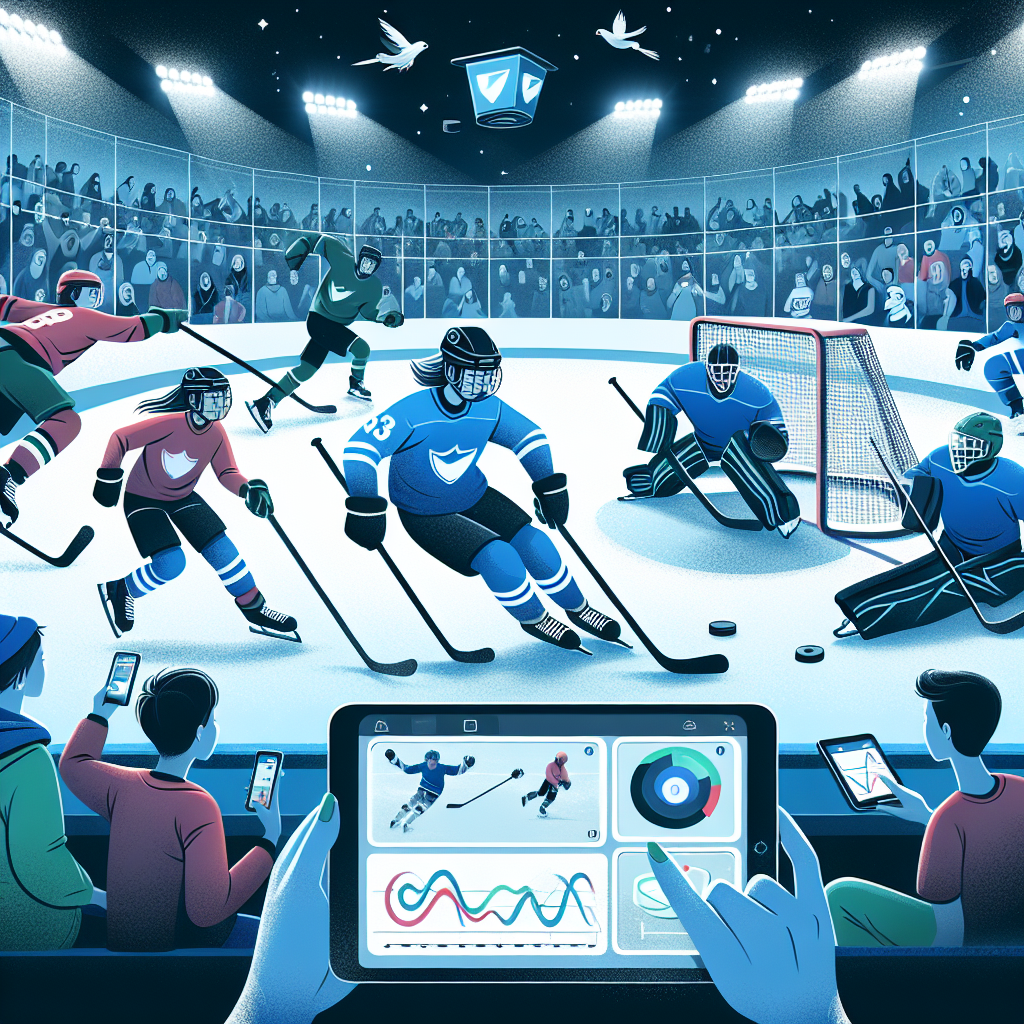
Hockey video analysis is the process of recording games or practice sessions and then reviewing the footage to assess player performance. This is done using various video recording technologies, from smartphones to specialized sports cameras. Coaches and players can then analyze this footage to identify strengths, weaknesses, and areas for improvement.
Benefits of Hockey Video Analysis
Implementing hockey video analysis into youth training offers numerous advantages:
- Enhanced Skill Development – By reviewing their own footage, players can visually understand their movements, techniques, and decision-making. This self-assessment fosters a deeper learning curve, enabling them to refine their skills more effectively.
- Objective Feedback – Coaches often provide feedback based on observations during a game. However, video analysis allows for a more objective evaluation of performance. This unbiased feedback can help players understand exactly what they need to work on.
- Increased Awareness of Gameplay – Video analysis helps players see the game from different perspectives. By watching their plays unfold, they can develop better game sense and situational awareness, which is critical during competitive play.
- Team Strategy and Cohesion – Coaches can use video analysis to break down team strategies, both successful and unsuccessful, during practices and games. This collective review promotes a better understanding of team dynamics.
- Visual Learning – Many young athletes are visual learners and may respond better to visual cues than verbal instructions. Video analysis caters to this learning style, making it easier for players to grasp complex concepts.
How to Implement Hockey Video Analysis
To effectively integrate hockey video analysis into youth hockey development, consider the following steps:
- Choose the Right Equipment – Invest in quality video recording equipment. Higher resolution cameras can capture more detail, and innovative software can help with editing and analysis. Ensure that the equipment can handle the demands of an active sport environment.
- Develop a Recording System – Establish a consistent method for recording practices and games. This may involve having designated personnel responsible for capturing footage. Make sure to focus on all aspects of play, including both individual and team dynamics.
- Schedule Regular Review Sessions – Incorporate video analysis sessions into your regular practice schedule. Set aside time each week to gather, review, and discuss footage with players and coaches. Ensure that players understand that this is a learning tool rather than a punitive measure.
- Encourage Player Involvement – Allow players to engage in the process. Have them identify aspects of their play on video that they feel need improvement. This empowers them to take responsibility for their growth.
- Utilize Analysis Software – There are several software options available that simplify the video analysis process. These tools can help coaches and players draw comparisons, annotate critical plays, and track progress over time.
Overcoming Challenges with Video Analysis
While hockey video analysis has numerous benefits, there can be challenges as well. Some common issues include:
- Technical Difficulties – As with any technology, equipment can malfunction. It’s essential to have backup plans in place, such as alternative recording devices. Familiarize yourself with the technology before the actual practice or game.
- Subjectivity in Analysis – Coaches may interpret plays differently, leading to varied feedback. To mitigate this, establish clear guidelines and focus on objective metrics when analyzing performance.
- Time Constraints – Analyzing video footage can be time-consuming. Structure your analysis sessions effectively to maximize the benefits without overwhelming coaches and players.
Conclusion
Incorporating hockey video analysis into youth hockey development is not just an innovative practice; it’s becoming a necessity. With its potential to enhance skill development, provide objective feedback, and foster a better understanding of gameplay, the benefits are clear. As coaches and players embrace technology, those who leverage hockey video analysis are likely to see improvement and success both individually and as a team. Invest in this essential tool today, and set the stage for a brighter future in youth hockey development.
By making hockey video analysis a core component of training, the next generation of hockey players will enjoy tailored insights, improved performance, and ultimately, a more enriching hockey experience.