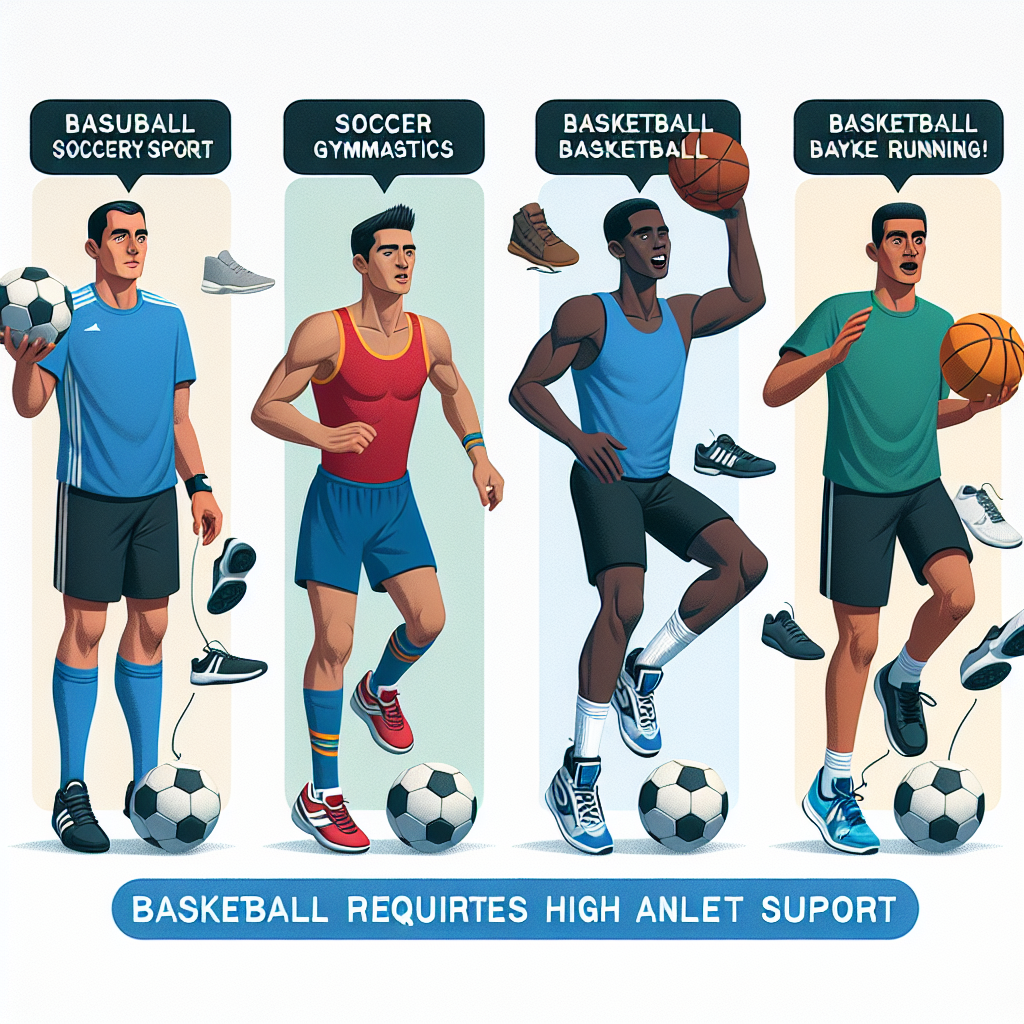
The Critical Role of Proper Footwear in Injury Prevention Across Different Sports
Choosing the right gear is vital for any athlete, but few aspects of athletic gear are as critical as athletic footwear. Whether you’re playing basketball, running marathons, or engaging in high-intensity interval training (HIIT), the type of shoes you wear can significantly influence your performance, comfort, and, most importantly, your risk of injury. In this blog post, we’ll explore the critical role of proper athletic footwear in injury prevention across various sports.
Understanding Athletic Footwear
Athletic footwear encompasses a range of shoe types specifically designed to accommodate the needs of different sports and physical activities. These shoes consider factors such as:
- Foot Structure: Different activities can affect the foot differently, requiring specific support and cushioning.
- Terrain: Running on pavement differs significantly from trail running, necessitating varied tread patterns and materials.
- Movement Patterns: Sports like basketball require lateral support, while running shoes focus more on forward motion and cushioning.
Why Correct Fit Matters
The fit of your athletic footwear is essential for injury prevention. Ill-fitting shoes can lead to various injuries, including blisters, calluses, plantar fasciitis, and even stress fractures. Here’s why correct fit is vital:
- Foot Stability: A well-fitted shoe provides your foot with the stability it needs during physical activity, reducing the risk of injury caused by destabilization.
- Shock Absorption: Proper cushioning helps absorb the impact during running or jumping, lessening the strain on your joints.
- Overall Comfort: Shoes that fit well allow for better performance as discomfort can hinder your ability to execute techniques effectively.
Injury Prevention in Specific Sports
Let’s delve into how specific types of athletic footwear can prevent injuries in popular sports:
1. Running
For runners, the right athletic footwear can make all the difference. Runners often face injuries such as shin splints, runner’s knee, and Achilles tendonitis. A pair of properly fitted running shoes with adequate arch support and cushioning can mitigate these risks.
- Neutral Shoes: Ideal for runners with a neutral gait, providing maximum cushioning without additional support.
- Stability Shoes: Great for overpronators, stability shoes help guide the foot into a more neutral alignment, preventing injuries.
- Minimalist Shoes: For those who prefer a closer-to-the-ground feel, minimalist shoes help strengthen foot muscles but require gradual adaptation to avoid injuries due to lack of support.
2. Basketball
Basketball players are prone to ankle sprains, knee injuries, and fatigue due to the sport’s demands for quick lateral movements and jumps. Athletic footwear designed for basketball provides:
- Ankle Support: High-top basketball shoes offer essential ankle stabilization, reducing the likelihood of sprains.
- Cushioning: Good shock absorption is crucial to help players manage the impact of jumping and landing.
- Traction: A player needs shoes with excellent grip to facilitate quick direction changes without slipping.
3. Soccer
In soccer, the right footwear can significantly impact performance and reduce injury risks. Soccer players commonly suffer from ankle injuries, stress fractures, and blisters. Here’s what to consider:
- Cleats: Soccer cleats assist in maintaining traction on grass or turf, preventing slips and falls.
- Fit and Comfort: A snug fit around the heel and enough room at the toes will help prevent blisters and calluses during games.
- Weight: Lightweight shoes can enhance speed without sacrificing protection.
The Consequences of Wearing Improper Athletic Footwear
Neglecting the importance of athletic footwear can lead to more than just discomfort; it can significantly increase the risk of severe injuries, leading to:
- Long recovery times
- Increased likelihood of chronic issues
- The need for more advanced treatments, such as physical therapy or even surgery
Choosing the Right Athletic Footwear
Selecting the appropriate footwear involves considering several factors:
- Assess Your Foot Type: Consult with professionals to understand your foot type and gait.
- Try Before You Buy: Always test shoes in-store to ensure comfort.
- Think About Your Activity Level: Choose footwear that is designed to match your specific sport’s intensity and demands.
Conclusion
Investing in the right athletic footwear is crucial not only for performance but also for injury prevention. The right shoes can help cushion, stabilize, and support your feet, significantly lowering the risk of sports-related injuries. By understanding the specific needs of your sport and recognizing the importance of fit and function, you can make informed decisions that will enhance your athletic experience while keeping you safe. Remember, your feet are your foundation—take good care of them!