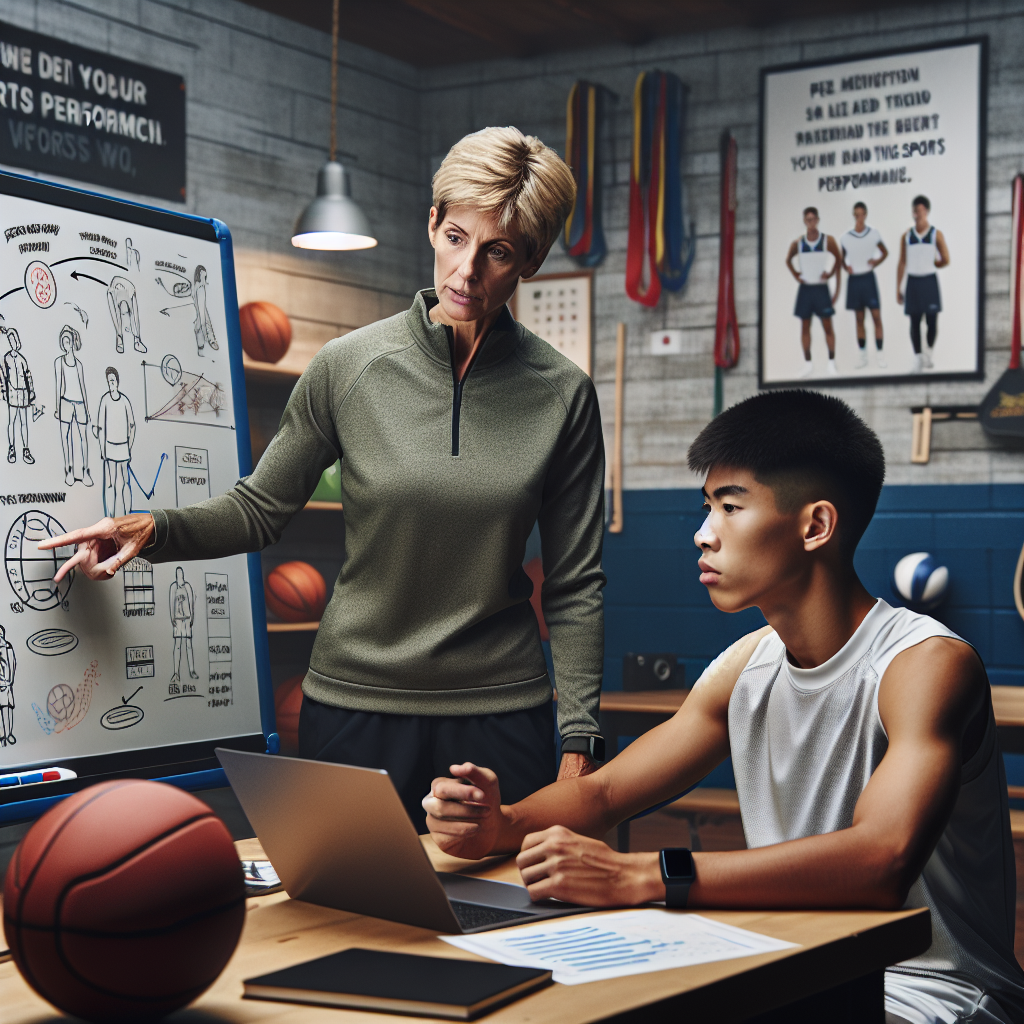
Teaching Young Athletes Effective Performance Reflection
As young athletes develop their skills and competencies in sports, it’s essential that they learn not only how to perform but also how to analyze their performance effectively. This process of performance reflection involves a critical balance; athletes should identify areas for improvement without becoming overly critical of themselves. This blog post discusses strategies that coaches and parents can utilize to guide young athletes through the reflection process, ensuring they gain valuable insights without diminishing their confidence.
Understanding Performance Reflection
Performance reflection goes beyond mere assessment of results and statistics; it’s about understanding one’s own performance in a holistic manner. Young athletes should learn to:
- Analyze their strengths and weaknesses.
- Understand the factors that contribute to their performance, both good and bad.
- Set realistic goals for improvement.
By encouraging a mindset focused on growth rather than perfection, young athletes can learn to embrace their journey, fostering resilience and a love for their sport.
Creating a Safe Environment for Reflection
To foster effective performance reflection, creating a safe and supportive environment is crucial. Here are ways you can achieve this:
- Promote Open Communication: Encourage athletes to express their feelings about their performances, both positive and negative. Coaches and parents should actively listen and provide constructive feedback rather than criticism.
- Emphasize the Learning Process: Frame discussions around learning rather than winning. Highlight that mistakes are opportunities for growth and learning.
- Create Reflection Rituals: Establish regular routines for performance reflection, like post-game discussions or reflective journals. This gives athletes the chance to process their experience while it’s still fresh.
Strategies for Effective Performance Reflection
Here are some effective strategies for teaching young athletes how to reflect on their performance constructively:
1. Focus on Specifics
Generalizing feedback can lead to unnecessary self-doubt. Instead, guide young athletes to focus on specific aspects of their performance. Ask targeted questions such as:
- What did you do well today?
- What specific moves or strategies need improvement?
- How did your mental state affect your performance?
Encouraging specificity helps young athletes gain clarity and develop actionable steps for future performances.
2. Keep a Performance Journal
Encourage athletes to maintain a performance journal where they can write about their experiences in training and competition. In their entries, they can include:
- What they learned during practice or a game.
- Emotions they experienced.
- What they want to focus on next time.
This practice not only enhances self-awareness but also provides a way to track progress over time.
3. Establish Goals and Action Plans
After reflecting on their performances, athletes should set achievable goals. It’s essential to teach them how to create action plans that align with these goals. For example:
- If an athlete struggles with free throws, their goal might be to improve their accuracy by a certain percentage over the next month.
- They could create an action plan that includes daily practice, seeking advice from coaches, or watching instructional videos.
When goals are established, young athletes have concrete steps to work toward, making performance reflection feel productive rather than critical.
4. Celebrate Progress
It’s vital to acknowledge and celebrate progress, no matter how small. After evaluating performances, highlight improvements, such as increased confidence, better teamwork, or enhanced skills. Celebrating victories fosters a positive mindset and encourages young athletes to continue their journey of performance reflection.
Guiding Young Athletes Through Challenges
Performance reflection will naturally bring challenges and discomfort as athletes confront their weaknesses. To help them navigate these difficulties:
- Model Self-Compassion: As a coach or parent, demonstrate a healthy attitude towards mistakes and failures in your own life. This can inspire young athletes to adopt a growth mindset.
- Encourage Peer Feedback: Sometimes, hearing reflections from teammates can be less intimidating. Facilitate group discussions where athletes can share insights and support one another.
- Reinforce Growth Mindset Principles: Teach athletes the difference between a fixed mindset and a growth mindset so they understand the power of perseverance and resilience.
Conclusion
Teaching young athletes how to effectively analyze performance through reflective practices is an invaluable skill that they will carry into their sporting lives and beyond. By fostering an environment of support, guiding them with effective strategies, and encouraging a balanced perspective on self-assessment, we can help them thrive both as athletes and as individuals. As they embrace the journey of performance reflection, they will not only enhance their athletic abilities but also develop important life skills, such as resilience, focus, and self-awareness.