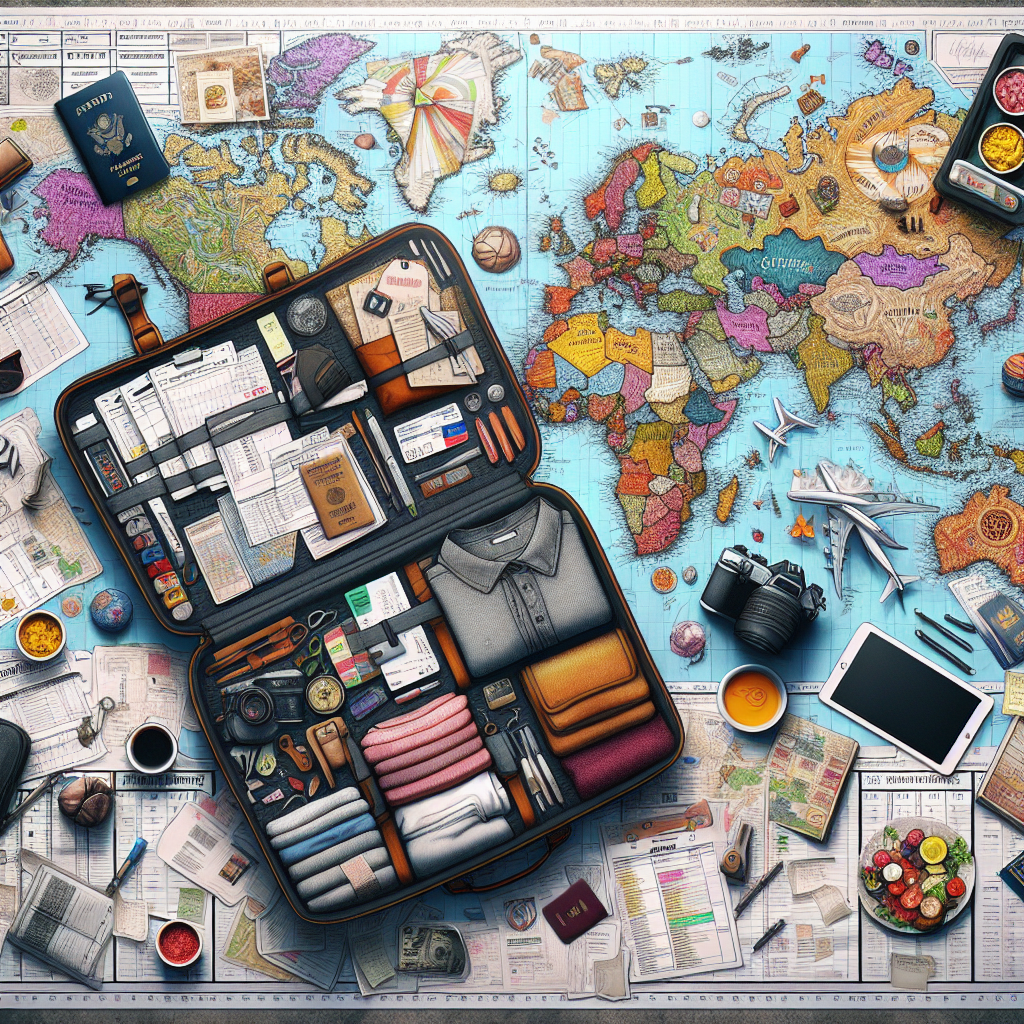
Tips for Planning Efficient Travel Logistics, Accommodations, and Meal Prep for Out-of-Town Tournaments
Planning for an out-of-town sports tournament can feel overwhelming, but with the right organization and strategies, you can streamline your travel logistics, accommodations, and meal prep. Proper sports tournament planning can lead to a more enjoyable experience for both players and families. In this blog post, we will share valuable tips to help you make your tournament trip as seamless and efficient as possible.
1. Create a Comprehensive Travel Checklist
One of the first steps in sports tournament planning is to create a detailed travel checklist. This should cover all aspects of your trip, including:
- Transportation options (flights, car rentals, etc.)
- Accommodation details (hotels, Airbnb, etc.)
- Meal preparation supplies
- Team gear and uniforms
- Personal items (toiletries, clothing, etc.)
Having a checklist can reduce stress and help prevent last-minute scrambles for forgotten items.
2. Plan Your Transportation
Your transportation method can significantly impact the logistics of your trip. Here are a few transportation tips.
- Book Early: Whether it’s flights or car rentals, booking transport early often leads to better rates and availability.
- Coordinate with the Team: If you’re traveling with a group, consider carpooling or arranging for team transport to simplify logistics.
- Map Out Your Route: Knowing your route in advance, including potential stops along the way, can help you avoid delays.
3. Choose the Right Accommodations
Finding the right place to stay is crucial when it comes to effective sports tournament planning. Use the following tips to ensure your accommodations suit your needs:
- Location is Key: Select a hotel or rental that is conveniently located near the tournament venue to minimize travel time.
- Prioritize Amenities: Look for accommodations that offer breakfast, laundry services, or kitchen facilities to save time and money.
- Communicate with Other Families: If possible, coordinate with other team parents to book accommodations together for camaraderie and potential group discounts.
4. Prepare Meals in Advance
Healthy meals and snacks are essential during a busy tournament weekend. Planning meals ahead of time can give players the energy they need to perform their best. Consider these meal prep ideas:
- Batch Cooking: Prepare and freeze meals ahead of time that can easily be reheated in a hotel room or rental kitchen.
- Healthy Snacks: Pack nutritious, portable snacks such as mixed nuts, dried fruits, or protein bars to keep energy levels up throughout the day.
- Plan for Team Meals: Organize a team dinner or potluck. This not only fosters team bonding but can often be more economical than dining out.
5. Stay Flexible and Adaptable
Despite all the planning you may do, unforeseen circumstances can arise. Flexibility is key during a tournament. Here are a few ways to stay adaptable:
- Be Ready for Changes: Allow extra time in your schedule for potential delays or adjustments, whether it’s a game time change or a longer drive.
- Have Alternative Plans: If your meal preparations fall through, have a list of nearby restaurants or grocery stores where you can grab food quickly.
- Stay Positive: Embrace the unexpected and maintain a positive attitude—this can make a big difference in the experience for both players and families.
6. Organize Team Communication
Efficient sports tournament planning includes clear communication among team members and families. Setting up a group text chat, dedicated app, or social media group can help keep everyone informed about schedules, meet-up times, and game statuses. Communication can help:
- Keep updated on schedule changes or travel delays.
- Organize carpooling or shared meal arrangements effortlessly.
- Boost team morale and camaraderie through constant support and encouragement.
7. Review Tournament Details Ahead of Time
Make sure you understand the tournament rules, game schedules, and venues well in advance. Review the following:
- Game times, locations, and associated fees (e.g., parking).
- Any equipment requirements (specific gear, hydration needs, etc.).
- Emergency contact numbers and local resources (hospitals, clinics, etc.).
Conclusion
Effective sports tournament planning involves careful organization of travel logistics, accommodations, and meal prep to ensure a smooth and enjoyable experience for everyone involved. By following these tips and staying adaptable to changes, you can create lasting memories of success and camaraderie during your next tournament trip. Remember, well-planned logistics can make all the difference in your tournament experience, so take the time to prepare thoroughly!