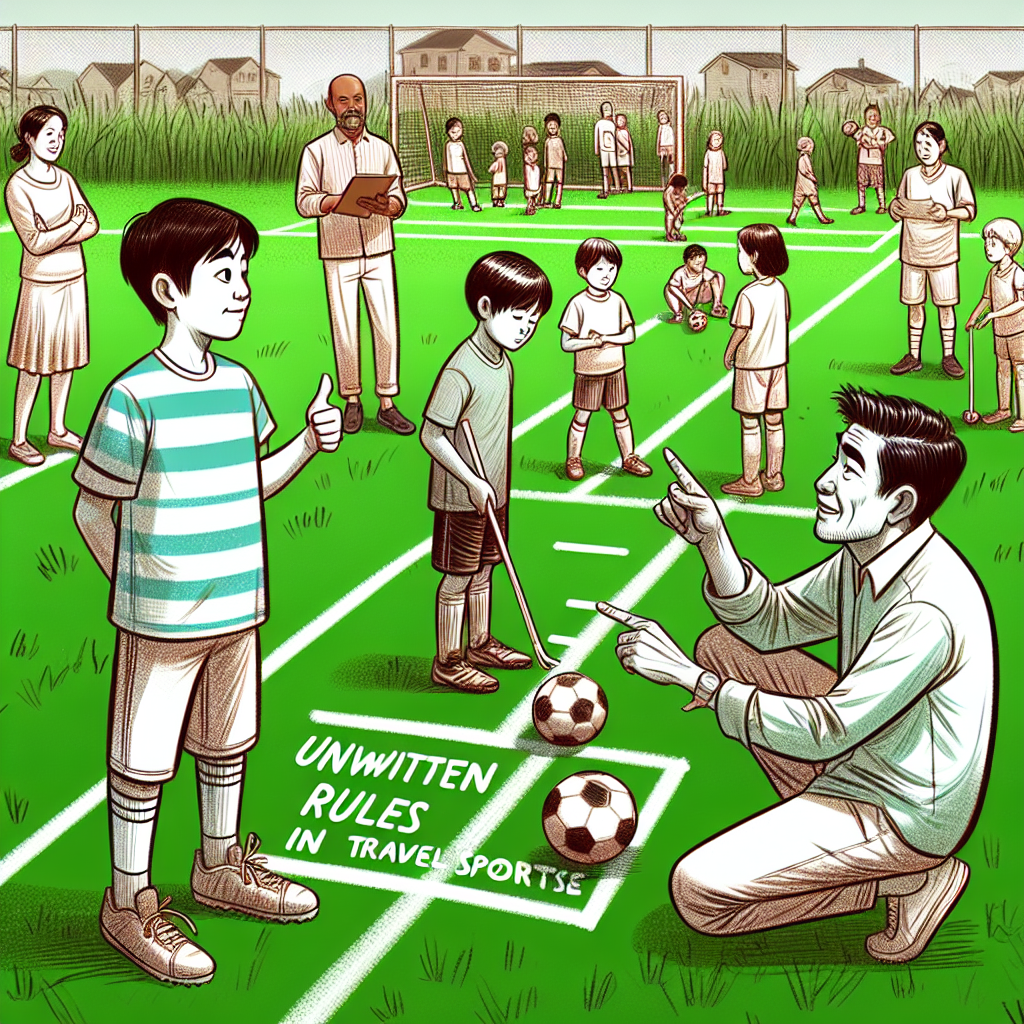
The Unwritten Rules and Etiquette of Travel Sports: A Guide for New Parents
As a new parent in the world of travel sports, it’s essential to navigate the landscape of sports parent etiquette with grace and professionalism. From supporting your child’s athletic journey to engaging with fellow parents and coaches, understanding these unwritten rules can enhance the experience for everyone involved. This guide will help you discover the essential aspects of sports parent etiquette, ensuring that you contribute positively to your child’s team and the overall sports community.
1. Encourage Your Child, Not Just the Wins
Every child has their own unique journey in sports. As a parent, your primary role is to encourage your child’s growth and development rather than obsessing over victories or losses. Celebrate their efforts, and remind them that sports are about teamwork, discipline, and personal improvement.
- Focus on Effort: Highlight the hard work and dedication your child puts into their training, regardless of the outcome.
- Promote Team Spirit: Foster a sense of camaraderie among teammates, emphasizing that the experience is as vital as the scoreboard.
- Be A Role Model: Show enthusiasm for the game, whether your child wins or loses. Your attitude sets an example for them and their peers.
2. Communicate Respectfully with Coaches
Coaches play a crucial role in your child’s sports experience. Respecting their authority and expertise is fundamental to maintaining a positive atmosphere. Open and respectful communication is key to building a solid relationship with coaches.
- Listen to Feedback: When coaches provide insights about your child’s performance, listen actively. Their perspective can help your child improve and enjoy the game further.
- Don’t Coach from the Sidelines: Refrain from yelling instructions during games; this can create confusion and disrupt the team’s focus.
- Address Concerns Privately: If you have concerns, approach the coach privately instead of discussing them publicly or during games.
3. Be Supportive of All Players
Creating a positive team environment involves supporting all players, not just your child. Sports are about friendship and community, so showing appreciation for everyone’s effort is vital.
- Cheer for Everyone: When cheering during games, make an effort to encourage all players on the team.
- Build Relationships: Take the time to get to know other parents and players, fostering a sense of community beyond the team.
- Be Inclusive: Avoid exclusive cliques; engage with all parents and players to strengthen team bonds.
4. Practice Good Sportsmanship
Sportsmanship is crucial for teaching children respect and integrity in sports. Modeling good sportsmanship behaviors sets powerful examples for young athletes.
- Applaud Efforts: Always applaud good plays and sportsmanlike conduct from both teams.
- Respect Officials: Treat referees and officials with respect, regardless of the game’s outcomes. Remember, making calls is a tough job, and they’re on the field to ensure fairness.
- Accept Defeat Graciously: Teach your child to embrace loss as a valuable learning opportunity, emphasizing resilience and personal growth.
5. Be Mindful of Scheduled Family Time
Travel sports can be demanding, requiring a commitment that may affect family dynamics. Striking a balance between supporting your child’s sporting endeavors and ensuring quality family time is crucial.
- Plan Family Activities: Schedule family outings and events around the travel sports calendar, ensuring quality family time remains a priority.
- Communicate with Your Child: Engage in conversations with your child about balancing sports and personal life, allowing them to express their needs and desires.
- Set Boundaries: Know when to say no to additional practices or events to maintain a healthy family routine.
6. Stay Positive on Social Media
With the rise of social media, it’s essential to remember that online interactions reflect not only on you but also on your child and their team. Practicing sports parent etiquette online is just as important as in-person behavior.
- Avoid Negative Comments: Refrain from posting negative remarks about players, coaches, or referees. Aim to foster a positive narrative surrounding your child’s experiences.
- Share Achievements: Celebrate your child’s achievements respectfully and encourage others to do the same—highlight team accomplishments over individual performances.
- Be Mindful of Privacy: Always seek consent before posting photos or videos of other players or parents.
7. Set Realistic Expectations
As a sports parent, it’s essential to keep your expectations grounded in reality. Every child is different, and their journey in sports should reflect their unique strengths and challenges.
- Acknowledge Developmental Differences: Understand that each child progresses at their own pace. Encourage them based on their individual abilities.
- Manage Your Expectations: Avoid projecting your aspirations onto your child; instead, support their interests and goals.
- Focus on the Joy of the Game: Remind your child that enjoyment should always be the primary focus of participating in sports.
Conclusion
As you embark on your journey as a travel sports parent, keep these unwritten rules and etiquette in mind. Practicing sports parent etiquette not only enhances your child’s experience but also strengthens the entire community. By fostering a supportive, encouraging, and respectful environment, you’ll ensure that your child thrives in their sports journey while forging lasting relationships that extend beyond the field. Embrace the adventure, and enjoy watching your child grow through the world of travel sports!