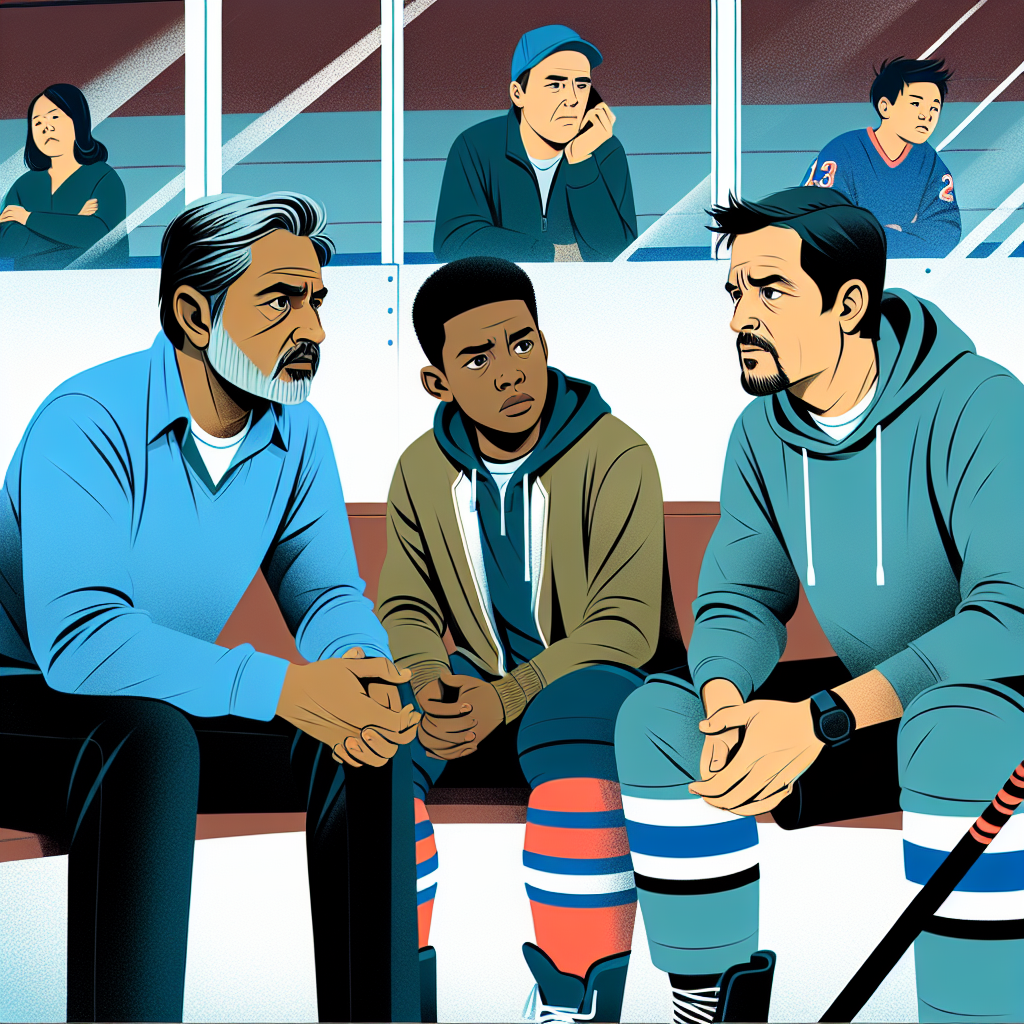
Navigating Hockey Parent Challenges: Conflicts with Coaches and Playing Time Issues
As a hockey parent, the excitement of watching your child glide across the rink can often be overshadowed by the myriad of challenges that come with the territory. From conflicts with coaches to the all-important issue of playing time, navigating these hockey parent challenges can be overwhelming. In this blog post, we’ll explore practical strategies for addressing these issues while maintaining a supportive environment for your young athlete.
Understanding the Common Hockey Parent Challenges
Hockey is not just a sport; it’s a passion that brings together families, communities, and friendships. However, it also presents various challenges that can strain both relationships and morale. Let’s look at some common hockey parent challenges:
- Conflicts with Coaches: Misunderstandings or disagreements regarding coaching decisions can lead to tension.
- Playing Time Issues: Concerns over your child’s playing time can create frustration and anxiety.
- Parental Pressure: Striking a balance between encouragement and pressure can be tricky.
- Team Dynamics: Issues with team cohesion, including favoritism or cliques, can affect your child’s experience.
- Financial Strain: The cost of equipment, travel, and participation fees can be significant.
Conflict Resolution: Approaching Coaches
One of the most sensitive hockey parent challenges involves conflicts with coaches. It’s essential to foster open communication and address concerns constructively to avoid misunderstandings. Here are some practical tips:
- Choose the Right Time: It’s vital to approach coaches at the right time. Avoid discussing issues immediately after a game, as emotions may be high. Instead, request a meeting at a later time when everyone can speak calmly.
- Be Respectful and Specific: When expressing concerns, be respectful and specific about the issue. Instead of saying, “Why isn’t my child playing more?” try framing it as, “I noticed my child has been having fewer shifts lately. Could we discuss how playing time is determined?”
- Listen Actively: During discussions, take time to listen and understand the coach’s reasoning. This can help you see things from their perspective and foster a more collaborative environment.
- Be Solution-Oriented: Present potential solutions or alternatives rather than simply expressing complaints. This shows that you care about the team and want to contribute positively.
Addressing Playing Time Issues
Playing time is one of the most prominent hockey parent challenges and can be an emotional topic for both parents and athletes. Here’s how to effectively address concerns over playing time:
- Understand Team Philosophy: Every coach has a philosophy regarding playing time. Understanding this can provide clarity and help you manage expectations for your child.
- Encourage Communication: Encourage your child to communicate directly with the coach about their playing time. This helps build confidence and maturity while also giving the coach insight into your child’s determination.
- Focus on Development: Remind yourself and your child that youth hockey is ultimately about development, not just winning. Emphasizing skill development and teamwork can shift the focus from ice time to personal growth.
- Promote a Positive Attitude: Encourage your child to maintain a positive attitude, regardless of playing time. This builds resilience and can lead to more opportunities as their skills grow.
Managing Parental Pressure
With the desire to see your child succeed, it’s easy to unintentionally place pressure on them. Recognizing and managing this parental pressure is another critical aspect of navigating hockey parent challenges:
- Set Realistic Expectations: It’s crucial to set realistic expectations based on your child’s abilities and interests. Remember that not every player is destined for professional hockey.
- Encourage Fun: Remind your child to enjoy the game. Reinforcing the fun aspect of hockey will motivate them to keep playing without the fear of failing.
- Celebrate Achievements: Celebrate achievements, big or small. This can help your child develop a healthy self-esteem and love for the sport.
Team Dynamics: Fostering Cohesion
The success of a hockey team often depends on strong team dynamics. Parents can influence how their children perceive and participate in these dynamics:
- Model Team Spirit: Show support for all players and the team as a whole. This encourages your child to do the same and fosters a sense of unity.
- Combat Negativity: If you hear negative talk about team dynamics, address it promptly. Encourage a positive conversation about teamwork and inclusion.
- Get Involved: Engage in team activities and volunteer opportunities. This can be a great way to build relationships with other parents and understand the team culture better.
Handling the Financial Strain
Finally, the financial costs associated with hockey can be a significant source of stress for many families. Here are some strategies for navigating this challenge:
- Budget Wisely: Create a budget that includes all potential costs—equipment, travel, and fees. This helps you prepare and avoid last-minute financial strain.
- Share Resources: Consider sharing equipment instead of purchasing new items each season. Many communities have equipment swaps or rental programs.
- Seek Support: If costs become overwhelming, explore scholarships or financial assistance options offered by local leagues or organizations.
Conclusion
Navigating hockey parent challenges can be daunting, but with open communication, realistic expectations, and a strong support network, you can create a positive environment for your young athlete. Remember, the goal is to foster a love for the game while supporting your child’s development both on and off the ice. By tackling challenges head-on and maintaining a positive outlook, you can help ensure that hockey remains a rewarding experience for your child and your family.