Mental Toughness Training for Hockey Players: Mastering High-Pressure Situations
In the fast-paced world of hockey, players face a myriad of challenges on and off the ice. From high-stakes games to grueling practices, the ability to maintain focus and composure becomes paramount. This is where hockey mental toughness plays a critical role. Developing this essential trait can mean the difference between victory and defeat, particularly in high-pressure situations. In this blog post, we will explore effective mental toughness training strategies designed specifically for hockey players. Let’s delve into the techniques that can help elevate your game when it matters most.
Understanding Hockey Mental Toughness
Mental toughness in hockey refers to a player’s resilience, confidence, and ability to perform under pressure. It embodies the capacity to stay focused on the task at hand, manage emotions, and overcome adversity, which are essential skills when the stakes are high. Players who excel in mental toughness often demonstrate the following traits:
- Resilience: The ability to bounce back from setbacks and stay persistent.
- Focus: Keeping concentration on the game and avoiding distractions.
- Confidence: Believing in oneself and one’s skills, especially during critical moments.
- Adaptability: Adjusting strategies and approaches in response to game situations.
Why Mental Toughness Matters in Hockey
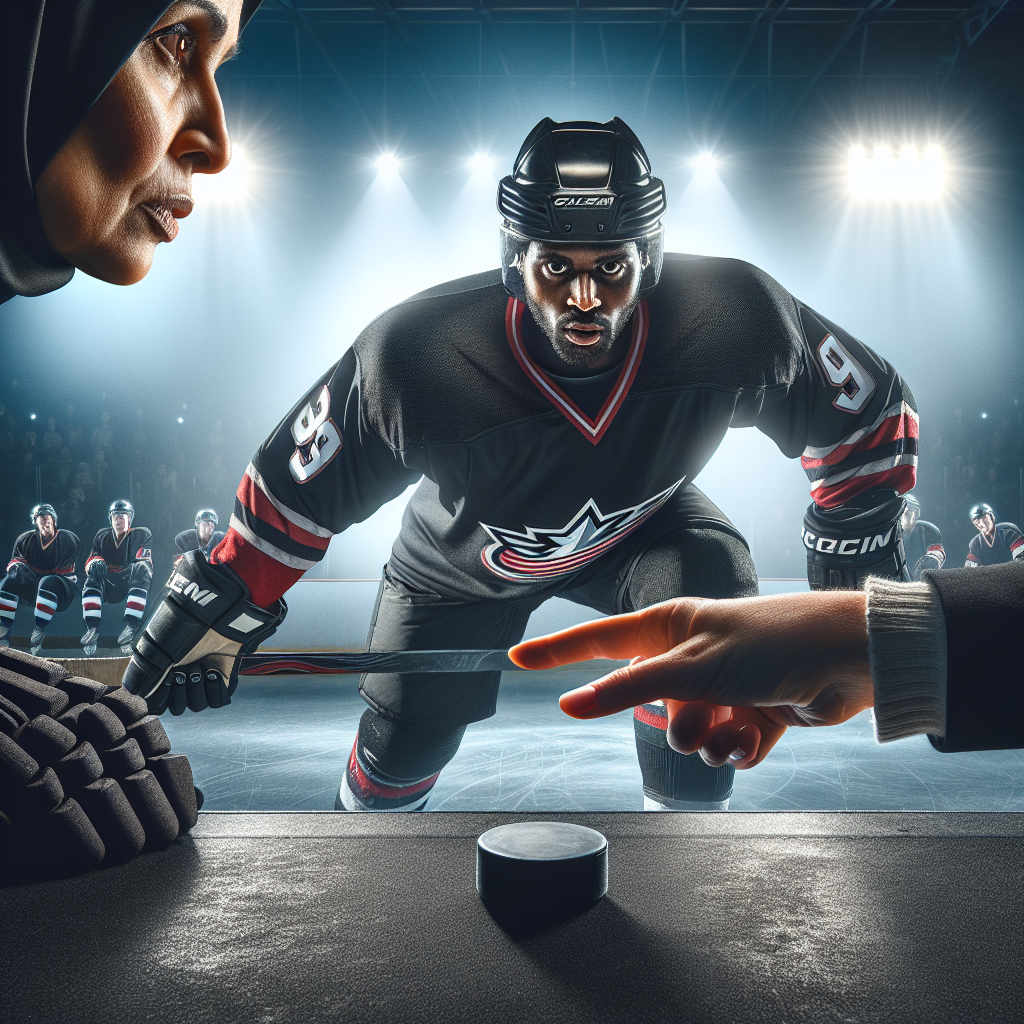
The nature of hockey demands that players perform in high-pressure environments, whether it’s during penalty shootouts, playoff matches, or moments when the pressure mounts significantly. A lack of mental toughness can lead to poor performance, missed opportunities, and even losses. By enhancing hockey mental toughness, players can:
- Enhance overall performance and consistency.
- Reduce anxiety and stress during crucial moments.
- Improve decision-making under pressure.
- Foster a winning mindset, leading to success both on and off the ice.
Strategies for Developing Mental Toughness
1. Visualization
Visualization is a powerful tool used by many elite athletes to strengthen their mental fortitude. Players should spend time visualizing themselves in high-pressure situations, successfully executing plays, making key saves, or scoring critical goals. This mental rehearsal not only boosts confidence but also prepares the brain for actual game scenarios.
2. Mindfulness and Meditation
Practicing mindfulness and meditation can significantly improve focus and reduce anxiety. Hockey players can benefit from setting aside just a few minutes daily to engage in mindfulness exercises, which promote awareness of their thoughts and feelings without judgment. This practice aids in managing stress, allowing players to remain centered during games.
3. Setting Goals
Goals provide direction and purpose. Setting specific, measurable, attainable, relevant, and time-bound (SMART) goals can help players stay motivated and focused. Whether it’s improving a particular skill, achieving a certain number of assists, or simply enhancing overall on-ice performance, having clear objectives can help reinforce mental toughness.
4. Pressure Simulation
Simulating high-pressure situations during practice can help athletes acclimate to the stress they’ll face during games. Coaches can introduce game-like scenarios, such as practicing power plays with limited time or scrimmages where the outcome is tied late in the game. These experiences prepare players to keep calm and make strategic decisions under pressure.
5. Positive Self-Talk
The dialogue players have with themselves can greatly influence their mental outlook. Encourage positive self-talk by replacing negative thoughts with empowering affirmations. Remind yourself of past successes and the hard work put into training. This mental reinforcement can help players cement their confidence during critical moments in games.
6. Physical Conditioning
Physical fitness is closely tied to mental toughness. Being in peak physical condition allows players to push through fatigue, stay focused, and maintain high energy levels throughout the game. A robust conditioning program that incorporates aerobic and anaerobic activities can enhance not only physical performance but also mental resilience.
Incorporating Mental Toughness into Daily Training
Developing hockey mental toughness should be an ongoing process that is integrated into daily training routines. Here are some practical ways to incorporate mental toughness training into practice:
- Dedicate time after warm-ups for visualization exercises.
- Utilize team meetings to discuss mental strategies and share experiences.
- Encourage reflective journaling to assess performance and emotional responses after games.
- Engage in team-building activities that foster trust and unity, which contribute to collective mental toughness.
Conclusion
As hockey players strive for excellence on the ice, the importance of hockey mental toughness cannot be overstated. Developing mental resilience equips athletes with the tools necessary to thrive in pressure-packed situations. By implementing strategies such as visualization, mindfulness, goal setting, and pressure simulation, players can elevate their game and achieve consistent performance. Remember, the mental aspect of hockey is just as crucial as physical skills, so make mental toughness training an integral part of your hockey journey. Embrace the challenge, and you’ll find yourself rising to new heights in your athletic career.