Creating Engaging Storytelling Through Dynamic Poses in Dioramas
Dioramas have long been a favored medium for storytelling, allowing creators to bring narratives to life through intricate design and composition. One of the most impactful ways to animate your diorama is by incorporating movement and action poses. Dynamic poses not only elevate the visual appeal of your display but also breathe life into the stories you’re trying to tell. In this blog post, we’ll explore how effective use of dynamic poses can enrich action scenes and enhance storytelling through thoughtful composition.
Understanding Dynamic Poses
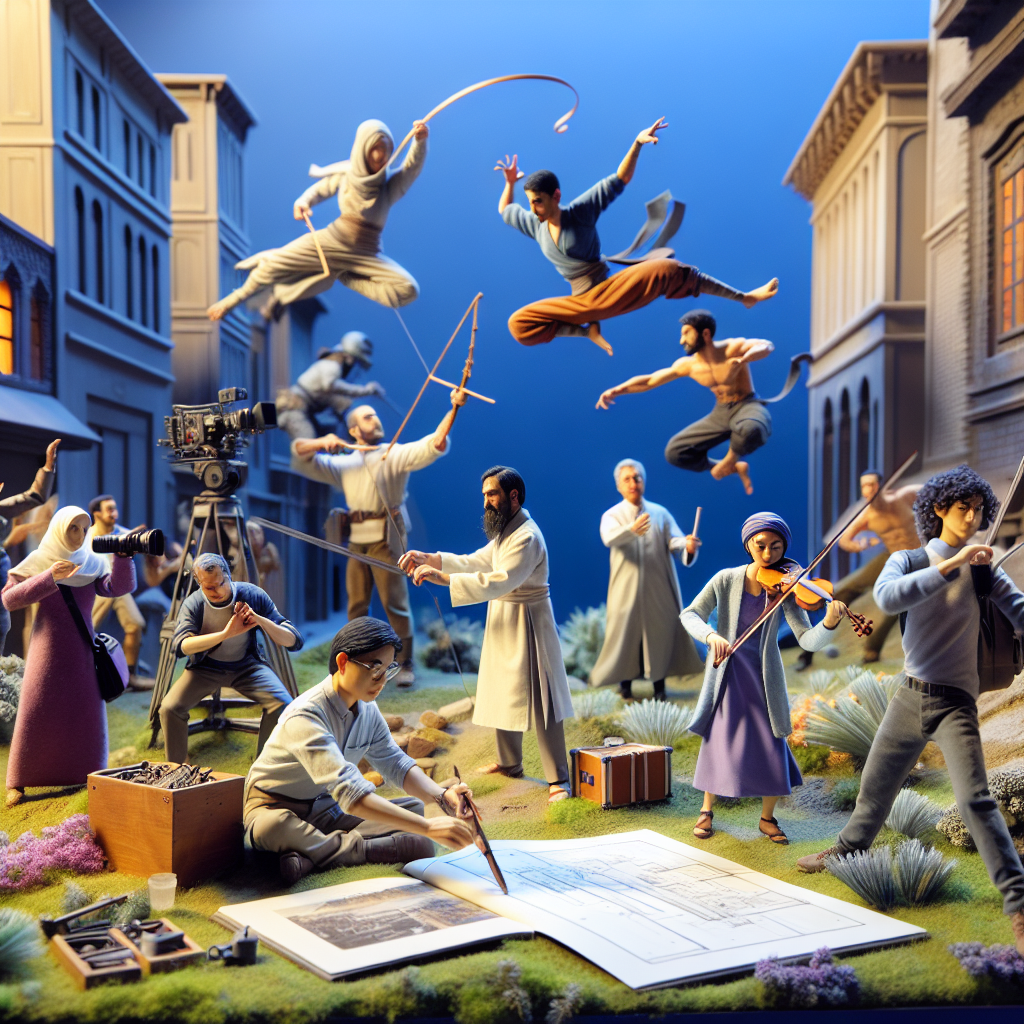
Dynamic poses are characterized by their sense of movement, energy, and expressiveness. Rather than static figures that simply stand still, dynamic poses draw the viewer’s eye by suggesting action and emotion. These poses can portray a character in the midst of a leap, a climactic battle, or a pivotal moment of decision—all essential elements for action scenes that engage your audience.
The Role of Dynamic Poses in Action Scenes
In action scenes, every detail matters. The way a character is posed can drastically alter the viewer’s perception of the narrative. Consider the following aspects when incorporating dynamic poses into your diorama:
- Direction and Focus: The angle and orientation of each figure can guide the viewer’s eyes towards focal points. For instance, a soaring superhero can be positioned to draw the eye upward, while a crouching villain might pull attention downwards, creating a dynamic visual flow.
- Gesture and Expression: Use body language to convey emotions. A character mid-fight can showcase anger or determination through facial expressions and muscular tension, while a hero in flight might exhibit excitement or freedom.
- Interaction: Position characters in a way that highlights their relationships with one another. A hero blocking an attack, or two characters about to clash, instantly elevates tension and draws the viewer into the story.
Composition: The Backbone of Storytelling
Good composition is essential to effective storytelling in any medium, and dioramas are no exception. Composition dictates how the eye moves through a scene and establishes a visual hierarchy, giving meaning to each element. Here are some key points to consider:
- Balance: While dynamic poses are crucial, maintaining overall balance within your diorama is equally important. Use positive and negative space to guide the viewer’s focus, ensuring no single part overwhelms the entire composition.
- Layering: Create depth by layering different elements in your scene. Foreground figures can feature more exaggerated poses, while background characters can be more subdued, establishing a sense of depth and distance.
- Color and Light: Dynamic poses can be significantly enhanced by the use of light and color. Bright colors often evoke energy, while shadows can add tension to action scenes. Be mindful of how lighting interacts with the poses you’ve chosen.
Practical Tips for Posing Action Figures
Now that we understand the significance of dynamic poses and composition, let’s go through some practical tips for posing action figures within your diorama:
- Choose the Right Figures: Select figures that have articulated limbs, allowing for more range in pose options. Some brands and models are designed specifically for dynamic posing.
- Experiment with Angles: Don’t hesitate to try out different angles. A pose that looks great from one viewpoint might not work from another. Explore the scene from multiple perspectives to find the most dynamic composition.
- Use Props Wisely: Integrating props can add depth to your story. A figure holding a weapon, or interacting with a piece of scenery, can lead to more engaging action scenes.

Conclusion: Telling Your Story Through Dynamic Poses
Incorporating dynamic poses into diorama storytelling elevates the narrative and allows viewers to engage with your creations fully. By considering how each pose contributes to action scenes and overall composition, you can craft compelling stories that resonate visually and emotionally with your audience. Remember, successful storytelling through dioramas is not just about what you show, but how you show it. So, experiment, iterate, and have fun with your dynamic poses to bring your stories to life!
As you delve deeper into your diorama-making journey, always be open to learning and refining your techniques. There’s a whole world of possibilities waiting to be explored in the realm of storytelling through dynamic poses and action scenes!