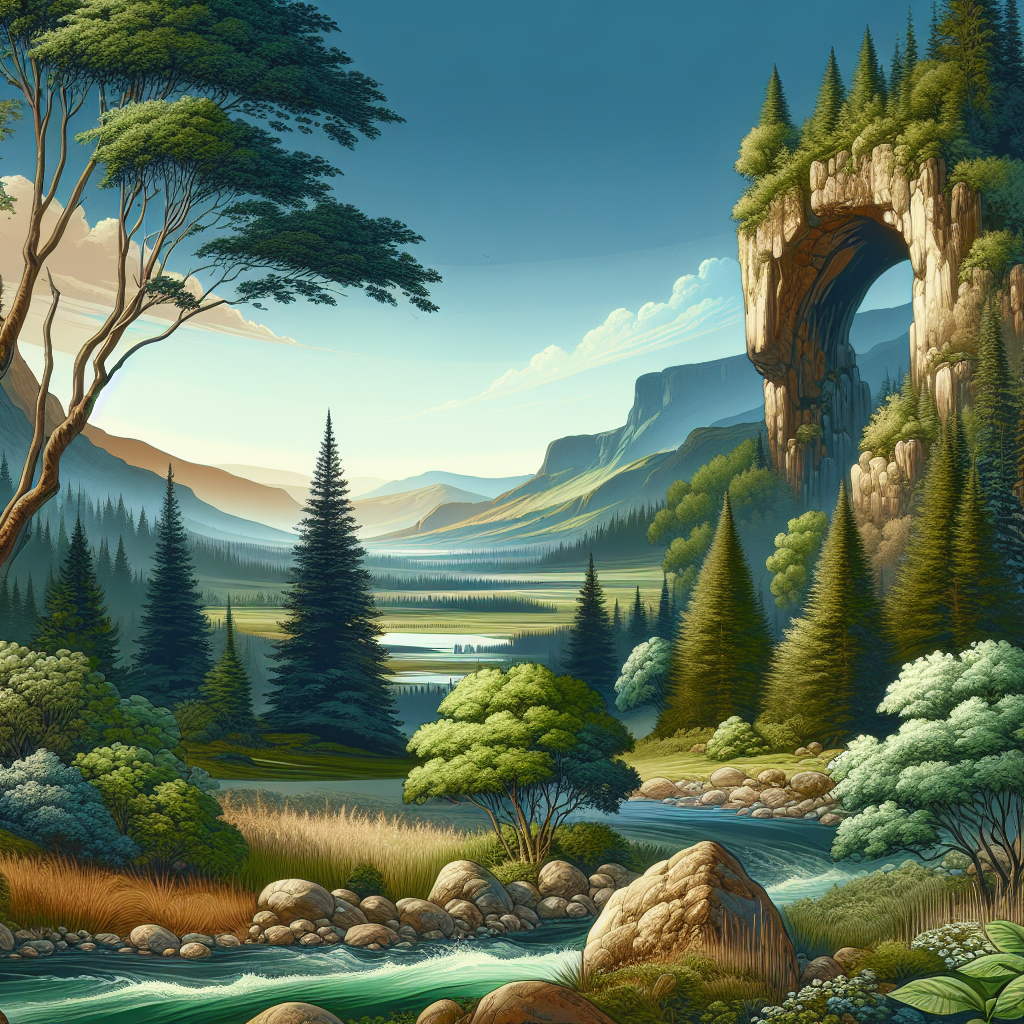
Natural Environment Techniques: Creating Realistic Rocks, Trees, and Landscapes
Creating stunning visual representations of natural environments is an accomplished skill that combines art, creativity, and technical knowledge. Whether you’re engaged in landscape design, modeling, or enhancing your photography, implementing realistic rocks, trees, and terrain is crucial. This post will guide you through essential techniques to create lifelike vegetation and landscapes that resonate with authenticity.
Understanding Natural Environments
Natural environments include various components, such as geology, flora, and weather patterns, which contribute to the overall aesthetics. When crafting a scene, it’s vital to consider how these elements interact. Here are some key aspects you must pay attention to when designing landscapes:
- Terrain: The terrain is the foundation of any landscape. It can vary from rugged mountains to rolling hills, flat lands, or coastal regions.
- Vegetation: Trees, shrubs, and grasses enhance realism. Understanding species in specific regions will increase authenticity.
- Water Elements: Adding lakes, rivers, or ponds introduces dynamic visual elements.
- Lighting: The direction and quality of light affect how we perceive landscapes, adding depth and mood.
Techniques for Realistic Rock Creation
Rocks form the backbone of many natural settings, providing structure and interest. Here’s how to create realistic-looking rocks:
- Materials: Use materials like plaster, resin, and foam to create the base shape. You can also combine papers or clay for a versatile blend.
- Shaping: Start with a rough shape and gradually refine it. Use carving tools and sandpaper to mimic the natural forms.
- Texturing: The texture is essential for realism. Apply a mixture of sand and paint to create uneven surfaces. Incorporate washes and dry-brushing techniques to highlight the details.
- Coloring: Study the rocks in your chosen environment to replicate their colors realistically, often using earth tones and mineral highlights.
Mastering Vegetation Techniques
Vegetation adds life to your landscape. Here are ways to achieve realistic trees and plants:
- Tree Structure: Start with a strong armature made from wire or sturdy branches. Build up the trunk with clay or a similar material to create texture and character.
- Foliage Technique: Use a combination of commercial model foliage and natural materials, like dried moss and leaves, to create depth
- Color Variation: Different species have unique coloring. Blend various shades of green and browns for realism.
- Placement: Trees shouldn’t line up perfectly; instead, distribute them in clusters of varying heights and shapes to simulate natural growth patterns.

Designing Authentic Landscapes
Once you’ve mastered individual elements, integrating them into a cohesive landscape design is the next step. Here’s how to combine rocks, trees, and other elements into a stunning scene:
- Layering: Use layers for depth. Start from the background with distant mountains or hills, adding mid-ground elements like large trees and the foreground rocks or smaller plants.
- Pathways: Introduce natural pathways using stones, gravel, or dirt. This not only encourages exploration but guides the viewer’s eye throughout your scene.
- Focal Points: Create a focal point in your landscape, whether it’s a striking tree, a waterfall, or a unique rock formation. This anchoring element can enhance visual storytelling.
- Environment Integration: Always consider the climate; a desert scene will look stark and dry, while a rainforest must be lush and dense.
Conclusion
Creating natural environments that resonate with realism involves a blend of artistic skills and scientific understanding. From mastering the art of crafting rocks to the nuanced placement of vegetation, every detail contributes to a captivating landscape design. When the elements come together harmoniously, they not only enhance the aesthetic but also invoke emotions, telling stories without words. So, whether you’re a hobbyist or a professional, consider applying these techniques as you embark on your journey to produce stunning natural settings.
Engage with your environment and observe the interplay of nature’s elements, letting them guide your creativity. With patience and practice, you’ll be creating breathtaking natural landscapes that inspire awe and wonder!