“`markdown
How to Build Urban Environments with Realistic Buildings and City Streets
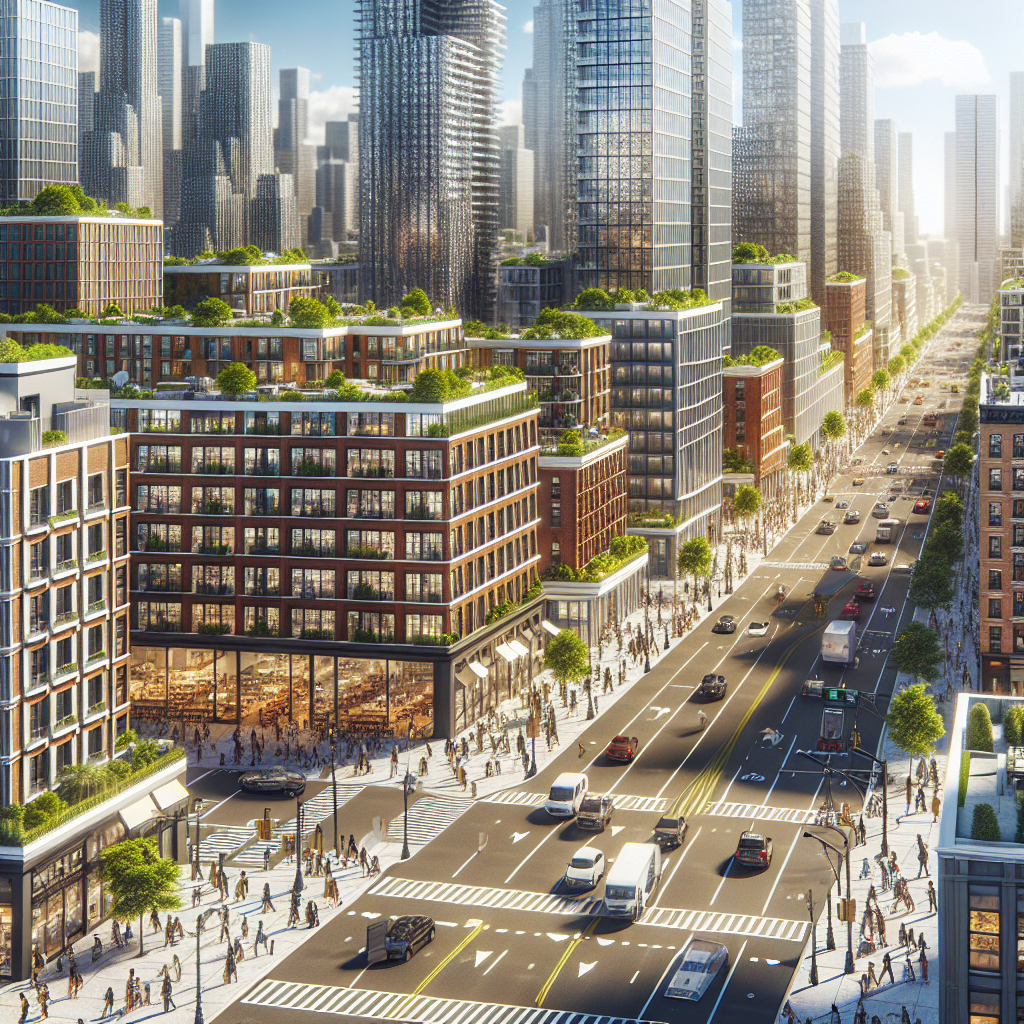
Creating captivating urban environments is an art that requires attention to detail, creativity, and an understanding of what makes city scenes come alive. Whether you’re designing a model city or crafting digital landscapes for video games or animations, mastering the intricacies of buildings and streets is key. In this blog post, we’ll explore essential tips for constructing realistic urban environments that will enhance any project.
Understanding the Elements of Urban Environments
Urban environments consist of various elements that work together to create a cohesive whole. From tall skyscrapers to quaint boutiques, here are some vital components you should consider:
- Buildings: The soul of any urban environment, buildings vary in height, style, and materials. Think about the architectural influences in your city. Are buildings modern, historical, or a mix of both?
- Streets: Streets dictate the flow of movement within your urban landscapes. They can be bustling avenues or quiet residential lanes. Consider the width, surface materials, and traffic patterns.
- Public Spaces: Parks, squares, and plazas are essential for creating vibrant city scenes. They provide spaces for social interaction and a break from the hustle and bustle.
- Infrastructure: Include elements like bridges, overpasses, and sidewalks. These features enhance realism and functionality.
Designing Realistic Buildings for City Scenes
Buildings are central to urban environments. To create realistic structures, follow these guidelines:
- Mix Architectural Styles: Incorporate a variety of architectural designs, from contemporary glass skyscrapers to charming vintage brick buildings, to showcase the diversity found in real cities.
- Consider Scale and Proportion: Pay attention to the scale of buildings relative to one another. A towering high-rise next to a small cafe creates visual interest and realism.
- Add Texture and Detail: Use materials that reflect realism. Consider adding texture to your building surfaces with bricks, glass, or metal. Small details like window frames, door designs, and fire escapes enhance realism.
- Lighting and Shadows: Proper lighting can dramatically affect the mood of your urban environment. Ensure that buildings cast realistic shadows based on light sources in your scene.
Creating Lifelike City Streets
Streets are the arteries of urban environments and crucial for realistic city scenes. Here are ways to enhance your streets:
- Layout and Design: Consider the overall layout of your streets. Real cities often have complex, non-linear street systems rather than perfect grids.
- Variability: Introduce variations in street widths, materials, and types. Sidewalks, bike lanes, and crosswalks contribute to realism and usability.
- Traffic Elements: Incorporate vehicles, pedestrians, and traffic signals. These moving parts bring life to your streets. Use animations to depict traffic flow and pedestrian movement for added dynamic realism.
- Street Furniture: Add benches, streetlights, signage, and trees. These elements not only enhance the aesthetic appeal but also offer necessary urban functionality.
Incorporating Public Spaces in Urban Environments
Public spaces play a vital role in fostering community connections within urban settings. Here’s how to effectively incorporate them:
- Location and Size: Place parks and plazas in strategic areas, such as near commercial zones or residential neighborhoods. Ensure they are proportionate to surrounding areas.
- Features: Include benches, fountains, playgrounds, and gardens to make these spaces inviting. Consider seasonal features like food trucks or outdoor movie screens for added interest.
- Accessibility: Ensure that public spaces are easily accessible. Pathways, ramps for wheelchairs, and plenty of entrances encourage community engagement.
While designing your urban environments, don’t forget to enhance the realism of your scenes with effectively designed public spaces. They serve as the heart of your community, encouraging interaction and activity.

Final Thoughts on Building Urban Environments
Creating realistic urban environments with compelling city scenes, intricate buildings, and dynamic streets takes time and practice. By focusing on the details of architecture, street design, and public spaces, you can develop urban settings that resonate with viewers and users. Remember that the best urban environments reflect the diversity and vibrancy of real cities, making them feel alive and inviting.
With these tips, you will be well on your way to designing urban landscapes that not only captivate but also inspire. So grab your tools and get started on creating your urban masterpiece!
“`