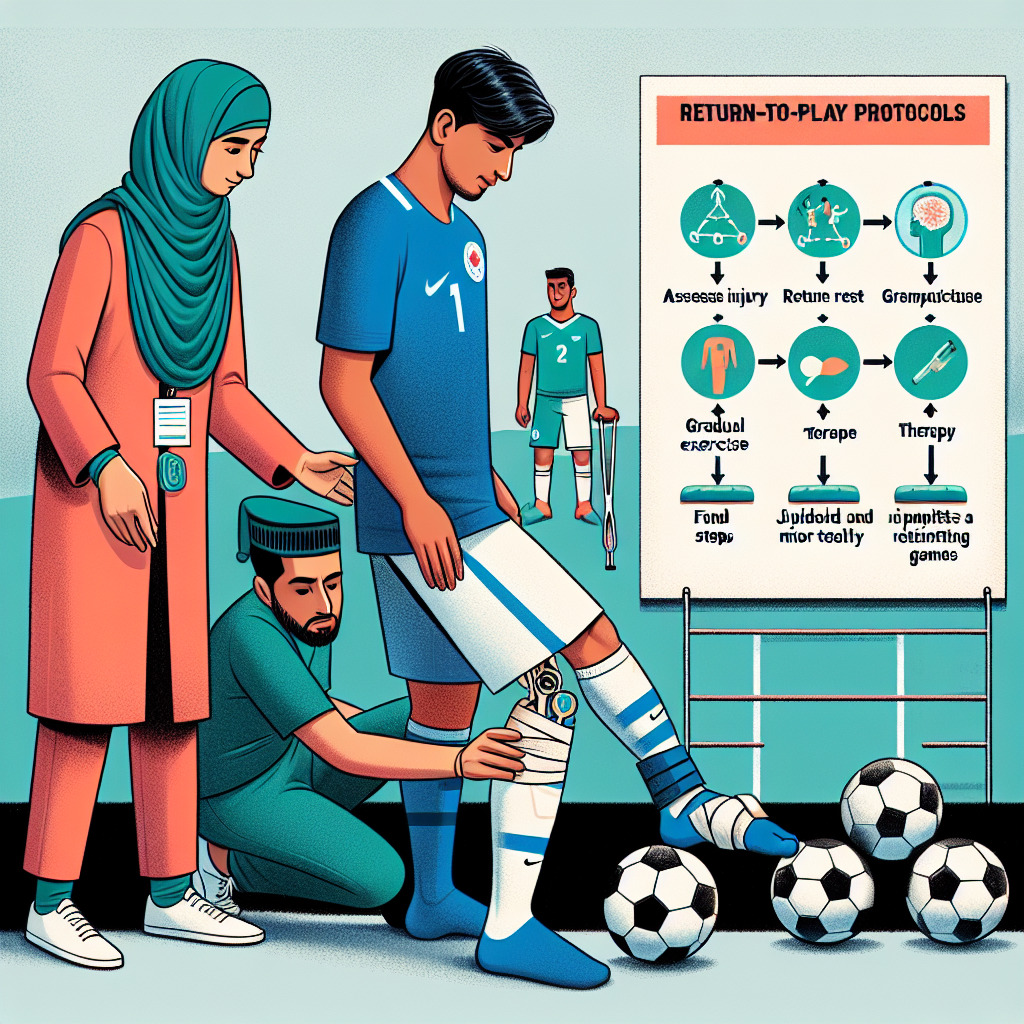
Implementing Return-to-Play Protocols After Minor Injuries: Preventing Serious Reinjury
When it comes to sports and physical activities, injuries are an unfortunate reality. From sprains to strains, minor injuries can sideline athletes and active individuals alike. However, one of the key factors in ensuring a successful return is the implementation of effective return-to-play protocols. In this blog post, we’ll explore the importance of these protocols, how to implement them, and ways to prevent serious reinjury. Our focus keyword will be “return to play,” as it encapsulates the essence of this critical transition period.
Understanding the Importance of Return-to-Play Protocols
Return-to-play protocols are systematic approaches designed to guide athletes through the recovery process after suffering a minor injury. These protocols serve several essential functions:
- They ensure that athletes recover fully before returning to their activities.
- They minimize the risk of reinjury, which can exacerbate the initial injury.
- They help athletes regain confidence in their physical abilities.
- They promote a safer sporting environment for all participants.
It is crucial to understand that rushing back into play can lead to further injuries, which could result in long-term consequences. Therefore, adhering to a structured return-to-play protocol is vital for both amateur and professional athletes.
The Steps of an Effective Return-to-Play Protocol
Implementing a return-to-play protocol involves several key steps to ensure a safe and efficient recovery process. Here’s a systematic approach:
- Assessment: Before developing a return-to-play plan, a thorough assessment of the injury is necessary. This should be done by a medical professional who can evaluate the severity of the injury, provide a rehabilitation plan, and determine when an athlete is fit to return.
- Rehabilitation: Following the assessment, a personalized rehabilitation plan should be designed. This plan will typically include physical therapy, strength training, and flexibility exercises tailored to the specific injury. The goal is to restore strength, range of motion, and functional performance.
- Gradual Return to Activity: Instead of jumping back into full gameplay, athletes should gradually reintroduce themselves to their sport. This could involve modified drills, non-contact practice, or even participating at a reduced intensity during games. The gradual increase in activity helps gauge readiness and minimize stress on the injured area.
- Monitoring Progress: Throughout the return-to-play process, it’s essential to monitor the athlete’s progress closely. Regular check-ins with coaches, trainers, and medical professionals can help ensure the athlete is not experiencing pain or discomfort as they reintegrate into their sport.
- Full Clearance: Only after completing all phases of the return-to-play protocol and receiving full clearance from a healthcare provider should the athlete return to full competition. This step is crucial for ensuring safety and confidence.
Preventing Serious Reinjury: Key Considerations
While implementing a return-to-play protocol is essential, there are additional strategies to further prevent serious reinjury. Here are some key considerations:
- Education: Educating athletes about the importance of following the return-to-play protocols is vital. Athletes need to understand that rushing back to their sport can lead to setbacks.
- Strength and Conditioning: Incorporating strength and conditioning programs into regular training can help build resilience in muscles and joints. This proactive approach can significantly decrease the likelihood of future injuries.
- Rest and Recovery: Emphasize the importance of adequate rest and recovery. Athletes should listen to their bodies and take breaks when needed to avoid burnout or overuse injuries.
- Injury Prevention Programs: Implement injury prevention protocols, such as proper warm-up routines and biomechanics training. These programs can enhance an athlete’s performance while minimizing injury risk.
Final Thoughts
The road to recovery after a minor injury doesn’t have to be uncertain. By implementing well-structured return-to-play protocols, athletes can transition back into their sport safely and effectively. Not only do these protocols help prevent serious reinjury, but they also promote a culture of safety and mindfulness in sports and physical activities. Prioritizing recovery is crucial—both for an athlete’s immediate performance and their long-term health.
Whether you’re a coach, athlete, or fitness enthusiast, understanding and implementing an effective return-to-play strategy can make all the difference. Stay safe, be patient, and remember, your health is your greatest asset. Let’s make the return to play a safe and successful journey!
For More Information
If you’d like to learn more about implementing return-to-play protocols or if you have specific questions about injury recovery, don’t hesitate to reach out to a healthcare provider or sports professional.