Creating Realistic Miniature Environments Using Household Materials
In an age where sustainability and creativity go hand in hand, creating realistic miniature environments using household materials has become an engaging and fulfilling hobby. Whether you’re a diorama enthusiast, a scale model builder, or simply want to add a creative touch to your décor, upcycling and repurposing everyday items can lead to stunning results. In this blog post, we’ll explore how you can utilize DIY materials from around your home and bring intricate miniature environments to life.
Why Use Household Materials for Miniature Environments?
Using household materials for your miniature projects has numerous advantages:
- Cost-Effective: You can create stunning displays without spending a fortune on specialized supplies.
- Eco-Friendly: Upcycling reduces waste and promotes recycling, making your project environmentally friendly.
- Creative Expression: Working with household items encourages creative problem-solving and innovation.
- Accessibility: Most households have a variety of items that can easily be transformed into miniature wonders.
Inspiration: What Household Materials Can You Use?
Before you dive into your project, gather some common household materials that can be transformed into miniature environments:
- Cardboard: Great for creating structures like houses, buildings, and terrain.
- Plastic Containers: Perfect for creating lakes, ponds, or even miniature greenhouses.
- Egg Cartons: These can be used to create textured surfaces or landscape features such as hills and mountains.
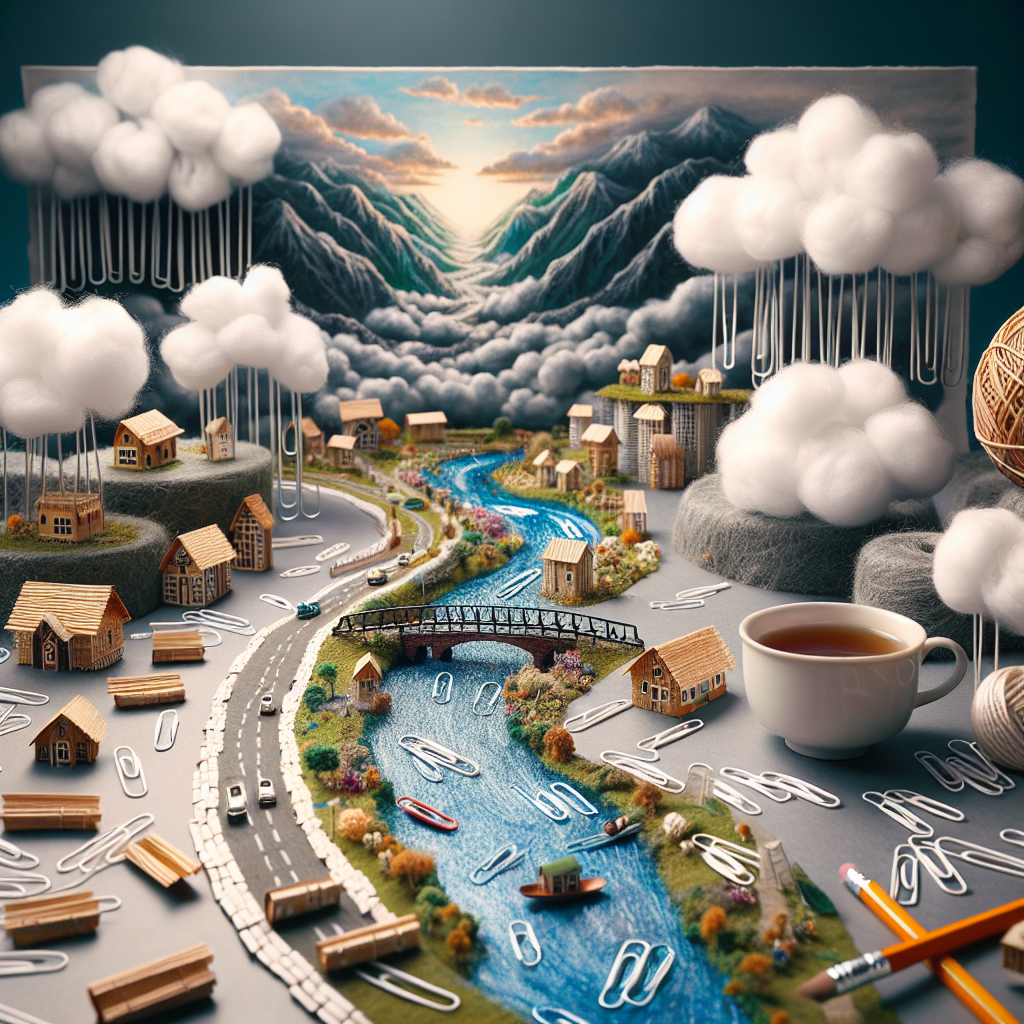
- Cotton Balls: Ideal for simulating clouds, snow, or soft textures in your scenes.
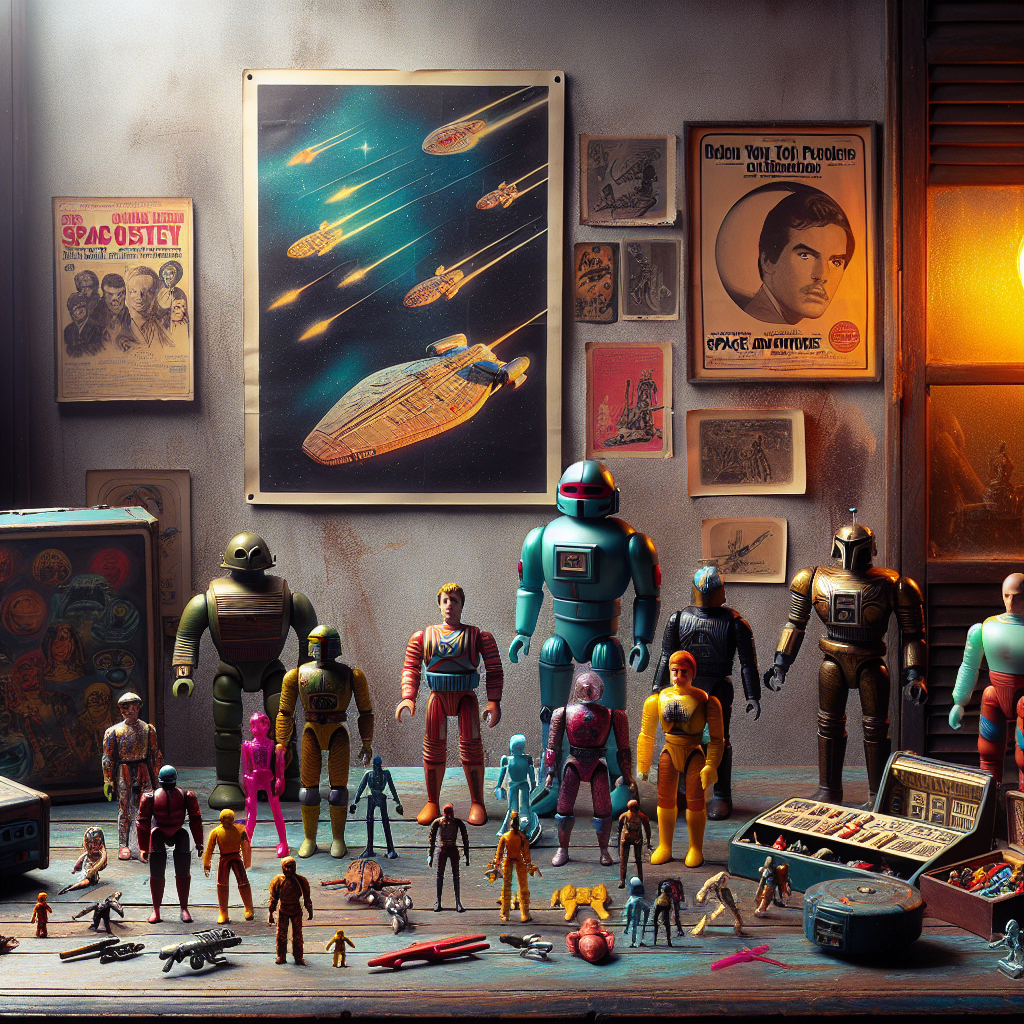
- Old Toys: Action figures, toy cars, and other small items can be repurposed to populate your miniature world.
Step-by-Step Guide to Creating Your Miniature Environment
Now that you have a grasp on what materials to use, let’s take a look at how you can build your own miniature environment step-by-step:
Step 1: Choose Your Theme
The first step in the miniature-building process is selecting a theme for your environment. Whether it’s a serene forest, a bustling street market, a cozy cottage, or a futuristic city, having a clear vision will guide your material choices and design elements.
Step 2: Gather Your DIY Materials
Once you have your theme, collect the DIY materials you’ll need. Don’t forget to explore items you might normally discard, such as fabric scraps, bottle caps, or old jewelry.
Step 3: Create the Base
Using cardboard, cut out a base for your miniature environment. This can be in any shape that fits your theme. If you’re creating a landscape, consider building up layers to add depth.
Step 4: Begin Structuring
Start adding structures to your scene. Use cardboard to form buildings, packaging for fences, and plastic containers for any water bodies. Be inventive! The goal is to transform your household materials into eye-catching elements.
Step 5: Add Texture and Detail
Once the basic shapes are in place, it’s time to add texture and details. Paint your cardboard structures, use cotton balls for clouds or snow, and consider dry grass or moss for scenery. The more detail you add, the more realistic it looks. Repurposing old makeup or craft supplies can add some great finishing touches.
Consider incorporating elements from nature, including small stones or twigs that can serve as part of your landscape. They can beautifully enhance your miniature scene.

Step 6: Populate Your Scene
Once your environment has taken shape, it’s time to fill it with characters or elements that bring it to life. Add old toys, action figures, or even make figures from clay or fabric. These aspects can connect your miniature world with a narrative, making it all the more engaging.
Step 7: Final Touches
Before you finish, take a moment for final touch-ups. Add any last paint details, finish the surfaces, or set up some lighting. A well-placed LED light can make your environment stand out, highlighting all the hard work you’ve put in.
Show Off Your Miniature Creation!
Creating a miniature environment using household materials not only allows for a great creative outlet but also offers a sense of accomplishment once completed. Don’t forget to share your final creation with friends and family, or even on social media! Engaging with other DIY enthusiasts can lead to tips, ideas, and inspiration for future projects.
Conclusion
Through upcycling and repurposing, creating realistic miniature environments has never been easier or more fulfilling. By utilizing household materials, your projects not only become a canvas for your creativity but also a sustainable practice. So, gather your materials, unleash your imagination, and start crafting your miniature masterpiece!
Remember, the only limit is your imagination, and the possibilities are endless. Happy crafting!